

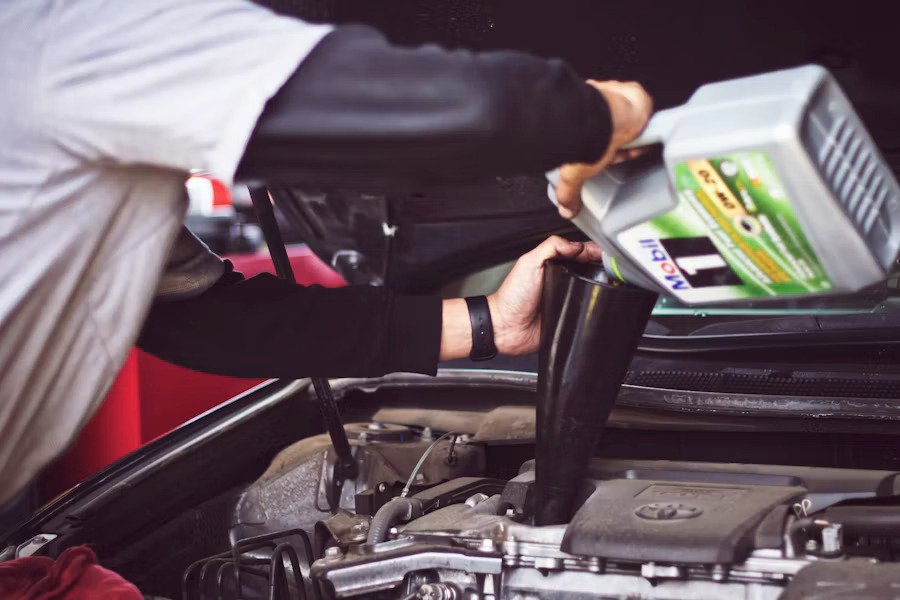
How to Choose the Right Used Engine for Your Vehicle
A new engine can run anywhere from $4,000 to $12,000 once labor is added in. A used engine, sourced and installed correctly, often costs a third of that — sometimes less. That gap is the reason so many owners who assume a blown engine means “totaled” end up back on the road for a fraction of the price they braced for. The problem is that “used engine” covers a huge range of quality, from a carefully tested unit with documented mileage to a mystery block pulled off a rusted-out donor car with no history at all. Knowing how to tell the difference is what separates a smart repair from an expensive mistake. Here’s how to make that call with confidence. Signs You Actually Need a Used Engine (Not Just a Repair) Not every engine problem calls for a full replacement. Before you start shopping, it’s worth confirming that replacement — rather than a targeted repair — is really the right move. Red flags that usually point to replacement rather than repair include: The financial trigger point is often described as the “50% rule”: if a repair estimate approaches or exceeds roughly half of what the vehicle is worth on the private market, it’s time to seriously weigh replacement against repair — and against the value of the car itself. A blown engine on an otherwise sound, well-maintained vehicle is a strong candidate for a used engine rather than writing the car off entirely, since the rest of the vehicle’s systems still have life left in them. New vs. Rebuilt vs. Used: Understanding Your Options Once you’ve decided the engine itself needs to be replaced, you’re choosing between three real paths, and the price spread between them is significant. New (crate) engines sit at the top of the market, generally landing somewhere between $4,000 and $12,000 or more installed, depending on the vehicle. You’re paying for zero miles, no inherited wear, and typically the strongest factory-backed warranty. For most daily drivers, this level of investment only makes sense on newer vehicles worth keeping long-term. Remanufactured engines are disassembled down to the block, inspected, machined back to factory tolerances, and rebuilt with new bearings, seals, and gaskets. Installed costs typically fall in the $4,500–$11,500 range for mainstream engines, though pricing varies by vehicle. Many remanufacturers back their work with a multi-year, high-mileage warranty (three years and 100,000 miles is a common benchmark), which makes this the option most independent shops recommend when a car is a long-term keeper. Used engines — pulled from salvage or donor vehicles — are the most budget-friendly path by a wide margin. Installed costs commonly run in the $1,500–$7,000 range depending on the vehicle, with the engine itself often priced well under $3,000 before labor. The tradeoff is that you’re buying a component with real-world mileage and an unknown maintenance history, unless the seller can document otherwise. That’s exactly why the inspection and sourcing steps below matter so much — they’re what turn “unknown history” into “verified condition.” For anyone deciding between rebuild and replace, a used engine is usually the fastest option too: a straightforward swap can be done in a day or two, versus two to four weeks for a full rebuild. What to Check Before Buying a Used Engine This is where the real risk-management happens. A used engine bought without verification is a gamble; a used engine bought after proper checks is a calculated, defensible decision. 1. Match the engine to your vehicle exactly. Confirm the engine code, displacement, and any regional emissions spec against your VIN — not just the year, make, and model. Two engines that look identical on paper can have different sensor placements, wiring harnesses, or accessory mounts. 2. Ask for mileage and donor-vehicle history. A reputable seller can tell you why the donor vehicle was scrapped. An engine from a car totaled in a rear-end collision is a far better bet than one pulled from a vehicle that was junked for mechanical problems. 3. Insist on a compression test. This is the single most telling diagnostic available before a purchase. A healthy engine should hold compression evenly across all cylinders — most techs look for cylinders within about 10–15% of each other, with anything under roughly 80% of spec, or a cylinder reading 25% or more below the highest one, treated as a serious warning sign. 4. Ask for a leak-down test if possible. This test pressurizes each cylinder and measures how much air escapes — and where. It can reveal valve, piston ring, or head gasket issues that a compression test alone might miss. 5. Do a visual and physical inspection. Look for oil sludge under the valve cover, coolant that shows any trace of oil (a possible head gasket sign), rust on visible internal surfaces, and confirm the engine turns over freely by hand if it hasn’t been started. 6. Get everything in writing. A test report, photos, and a documented mileage figure protect you if a dispute comes up later. 7. Understand the warranty before you pay. Terms vary enormously — anywhere from 30 days to a year or more, and “warranty included” can mean very different things depending on the seller. Confirm in writing whether the warranty covers parts only or parts and labor, what specifically voids it, and what the claims process looks like if something goes wrong. Where to Buy: Junkyards vs. Specialized Sellers vs. Online Marketplaces Where you source the engine matters almost as much as the engine itself. Traditional salvage yards offer the lowest prices and the widest selection, but quality control varies from yard to yard. Some perform compression testing and document results before sale; others sell as-is with minimal verification. Ask directly what testing was done before you buy. Specialized used-engine sellers typically test every unit before it ships — compression tests, leak-down checks, and a documentation review — and back that testing with a defined warranty. You’ll pay somewhat more than a bare salvage-yard price, but
How to Choose the Right Used Engine for Your Vehicle Read More »